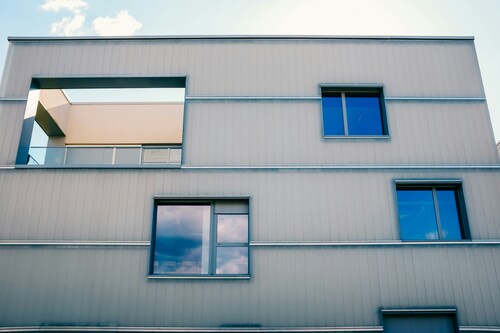
Modern architecture increasingly favors minimalism, large glazing, and durable materials. In this context, aluminum windows are gaining popularity, becoming the choice not only of commercial investors but also of private homeowners. Their elegant appearance and excellent technical parameters make them a perfect fit for the aesthetics of contemporary buildings. However, before making a purchase decision, it is worth understanding both the advantages and disadvantages of this solution.
What makes aluminum windows stand out?
Aluminum windows are constructions based on lightweight yet highly durable profiles. Aluminum, as a structural material, is resistant to corrosion, deformation, and weather conditions. As a result, windows made from this metal can last for many years without losing their functionality or visual appeal.
Moreover, modern technologies allow for very good insulation performance, making aluminum windows competitive with PVC or wooden models.
Advantages of aluminum windows
Choosing aluminum windows brings many benefits — both aesthetic and functional. The most important include:
- durability and resistance to weather conditions – aluminum does not rust or deform,
- lightweight structure combined with high mechanical strength,
- modern appearance – slim profiles allow for large glazing surfaces,
- easy maintenance – windows do not require painting or special care,
- recyclability – aluminum is an eco-friendly material that can be reused,
- high resistance to burglary when equipped with proper fittings,
- a wide range of colors and finishes, making it easy to match the style of any building.
Thanks to these features, aluminum windows are ideal for both residential and commercial buildings.
Disadvantages of aluminum windows
Despite their many advantages, aluminum windows are not without drawbacks. One of the most commonly mentioned disadvantages is their higher price compared to PVC windows. In addition, aluminum is a material with high thermal conductivity, which makes it essential to choose models with thermal breaks to minimize energy loss.
Some users also note that in low-budget constructions, frame cooling may occur during winter. Therefore, it’s worth investing in aluminum windows with an appropriate thermal insulation system.
Where do aluminum windows work best?
Due to their properties, aluminum windows are perfect for buildings with large glazing areas — where both aesthetics and structural stability matter. They are commonly used in:
- office buildings and commercial facilities,
- hotels and restaurants,
- modern single-family houses,
- public utility buildings,
- shopfronts and showrooms.
Their lightness and rigidity make it possible to create large glass surfaces that still provide excellent insulation and safety.
Aluminum windows and interior aesthetics
Contemporary aluminum windows offer not only functionality but also style. Slim frames, matte or glossy finishes, and a wide RAL color palette make it easy to adapt them to any interior — from industrial lofts to elegant offices. Their minimalist form complements modern facades and glazed walls, creating a sense of spaciousness and lightness.
Are aluminum windows worth choosing?
The decision to choose aluminum windows should be based on the individual needs and character of the building. For those who value durability, aesthetics, and a modern appearance, they are an almost perfect solution. Although their cost is higher than that of other materials, the investment pays off in longevity and minimal maintenance requirements.
Thanks to technological advancements, modern aluminum windows meet strict standards for thermal and acoustic insulation while maintaining exceptional lightness and elegance. It is a solution that perfectly meets the needs of modern architecture — combining functionality with timeless style.